
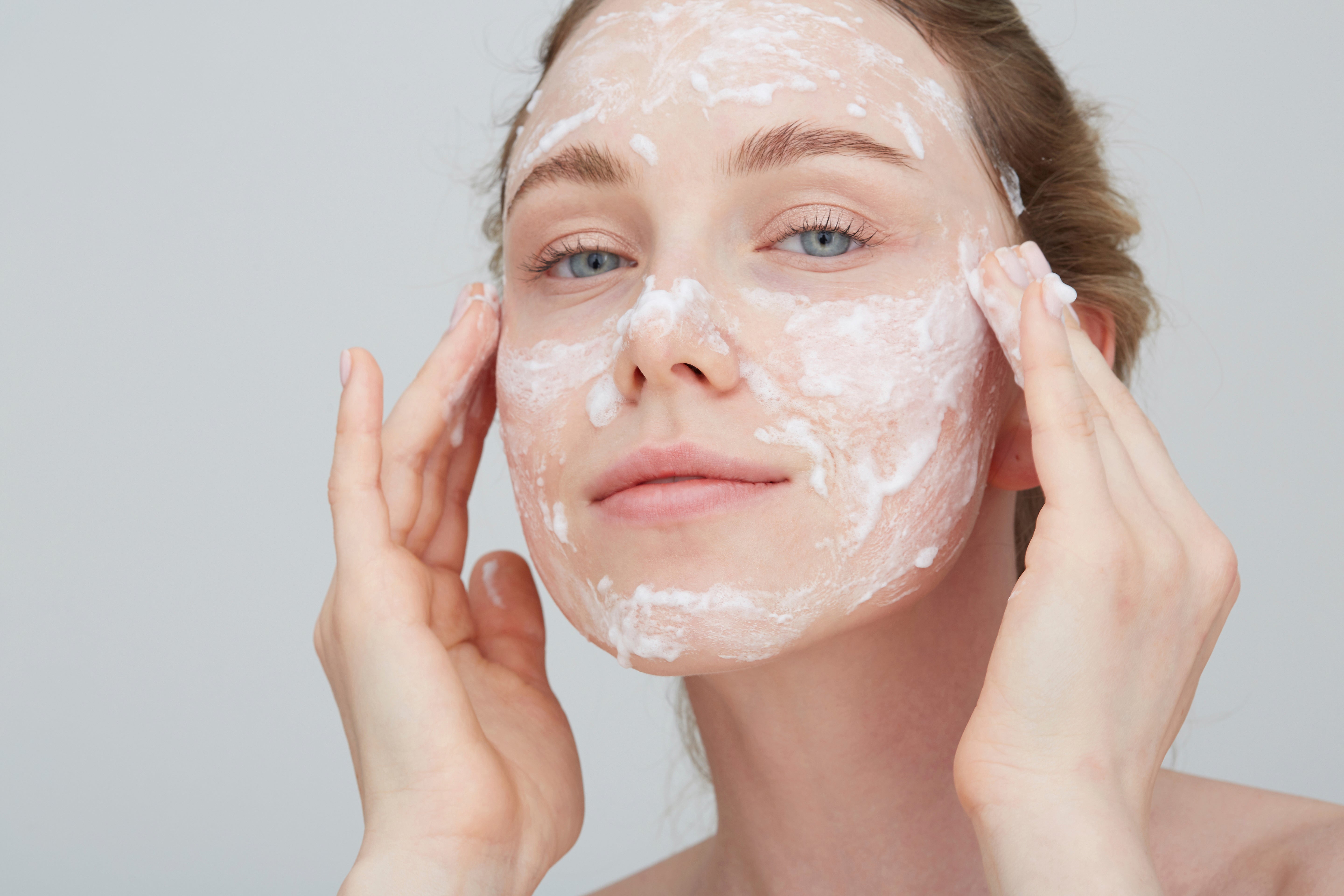
When the sun retreats and the days get shorter, the skin often loses its radiance. After summer, it sometimes appears dull, uneven, or troubled – a sign that it needs support in regeneration.
A gentle peel can work wonders here. But many wonder: What is actually the difference between a chemical peel and an AHA peel? And which is best suited for more sensitive autumn skin?
What exactly is a chemical peel?
The term chemical peel refers to a method where dead skin cells are dissolved using acids or enzymes – completely without mechanical friction. Unlike traditional scrubs with granules, a chemical peel works on a molecular level.
That sounds more intense, but when used correctly, it is usually much gentler because the skin barrier is not irritated by friction.
Chemical peels can contain different types of acids depending on skin type and desired effect. The best known are AHA (alpha hydroxy acids), BHA (beta hydroxy acids), and PHA (poly hydroxy acids).
AHA peel – the classic for radiant, smooth skin
AHA stands for alpha hydroxy acids, a group of water-soluble fruit acids that include glycolic, lactic, and mandelic acid, among others.
An AHA peel mainly works on the top layer of the skin. It removes dead cells, refines the skin texture, and simultaneously stimulates cell renewal. The result: a smoother, fresher, and more even skin surface.
AHA peels are especially suitable for:
- normal to dry skin
- dull, lackluster skin
- first signs of skin aging or fine lines
It is important not to use the peel too often – once or twice a week is enough to achieve visible results without overloading the skin.
AHA, BHA, or enzyme peel – what is the difference?
While AHA acids act on the skin's surface, BHA acids (e.g., salicylic acid) penetrate deeper into the pores. They are therefore better suited for oily or blemish-prone skin.
Enzyme peels, on the other hand, work completely without acids. They dissolve dead skin cells using natural enzymes – gentle but effective – and are ideal for sensitive or delicate skin types.
An example is the Enzyme Peeling, which works with enzymes from papaya and pineapple. It smooths the skin without irritation, ensures an even complexion, and can be used all year round – especially recommended for autumn when the skin reacts more sensitively.
How to properly integrate peels into your routine
- Cleansing: Gentle but thorough – free the skin from makeup and residues.
- Peeling: Use once or twice a week, preferably in the evening.
- Moisture: Then replenish with a soothing care product, e.g., with the Niacinamide Fluid SPF30 or the Hyaluron Cream SPF20.
- Protection: Be sure to use UV protection the following day to protect the skin.
Important: After a peel, the skin can temporarily react more sensitively. Therefore, less is more. Regular, moderate use brings the best long-term results.
Conclusion: Gentle renewal for more radiance
A peel is more than just a cleansing step – it’s an effective way to renew the skin and bring back its natural glow. Especially in autumn, the skin benefits from this gentle form of renewal because it is more prone to dryness and environmental stress.
Whether you choose an AHA, BHA, or enzyme peel: the important thing is to adapt the product to your skin type, gently incorporate it into your routine, and then ensure sufficient moisture and protection.
This is how your skin stays smooth, fine-pored, and radiant – completely irritation-free and perfectly prepared for the colder months.