
Skin condition: Mature skin
How the skin changes with age
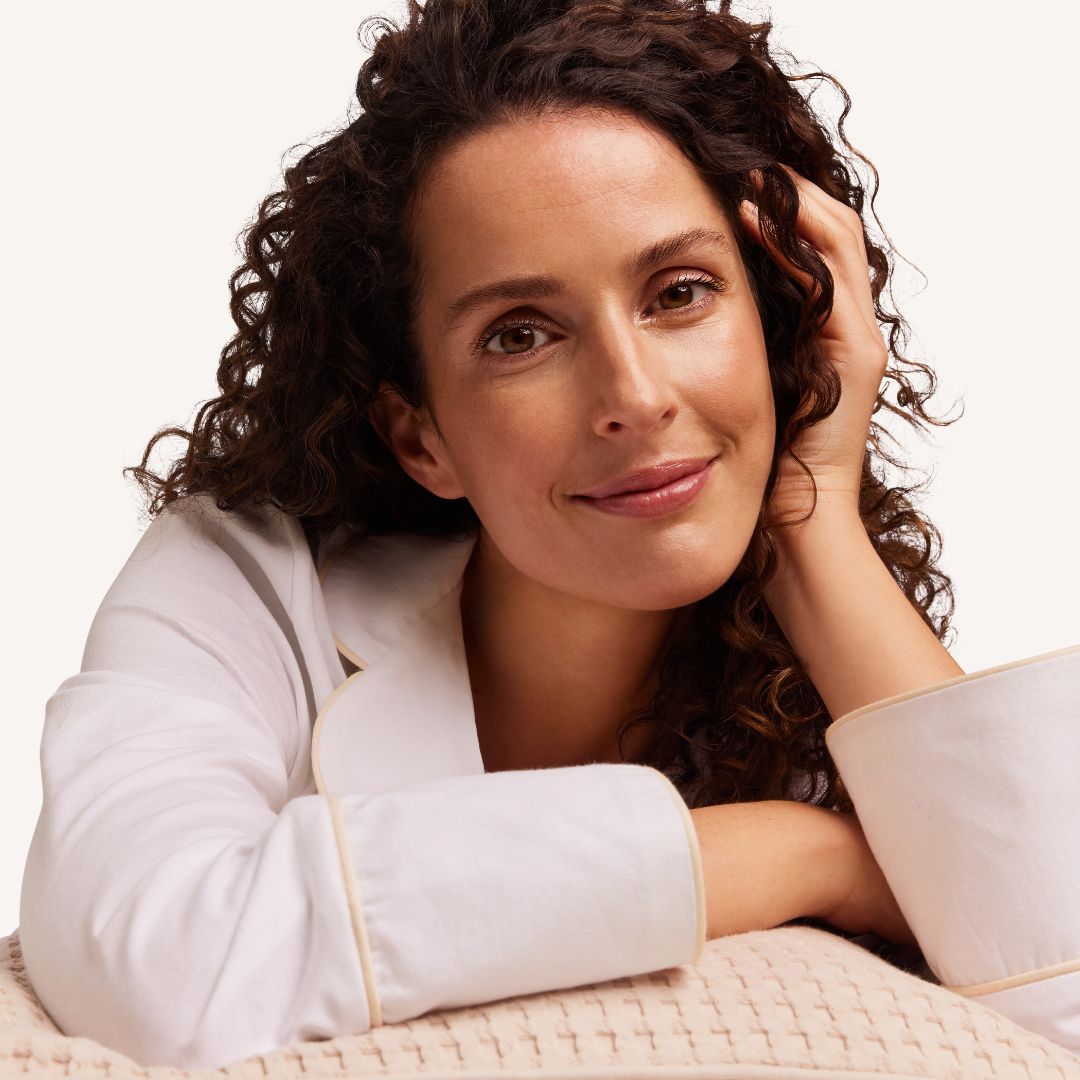
As we age, our skin changes – a completely natural process. Fine lines and wrinkles appear around the eyes, mouth, and forehead. Since the skin loses moisture with age, the complexion increasingly looks dull and dry.
The skin also loses elasticity and firmness. Depending on how much sun exposure the skin has had over the years, more pigment spots (also known as age spots) may develop.
Causes
As we age, cell renewal slows down and the skin's natural protective function weakens. The production of protective sebum (skin oil) decreases, causing the skin to dry out more quickly. The skin's own production of collagen and elastin also declines, leading to a loss of firmness and elasticity.
For women, the factor of hormones also comes into play. Hormonal changes during menopause can cause the skin to become thinner, drier, and more sensitive. Hyperpigmentation (age spots) occurs because melanin is broken down less effectively due to reduced blood circulation and slower metabolic exchange.
What a beautiful thought that a person's life experience leaves its marks on the skin! For us, it’s not about erasing the signs of time. However, with the right care—moisturizing, antioxidants, and collagen-stimulating active ingredient combinations—we can help soften the skin aging process. As we get older, our skin becomes a bit more demanding, making it all the more important to give it intensive and nourishing care.
We want you to find the best skincare for you at every stage of your life—tailored to your very individual needs.
What your skin needs
Active Ingredient Booster
After cleansing, it's time for your skin booster – your favorite serum. Serums are enriched with highly concentrated ingredients that penetrate deep into your skin and deliver a powerful effect. Effective anti-aging boosters like retinol, hyaluronic acid, vitamin C, or spilanthol work efficiently against wrinkles and pigmentation spots and stimulate the skin's own collagen production. Your complexion appears plumper, fresher, and more even. For the area around the eyes, an additional eye serum with hyaluronic acid is recommended (e.g., our DAYTOX Eye Wonder), which provides moisture to the delicate eye area and plumps it from within.
Rich creams
To lock the active ingredients of the serums into the skin, this step is followed by a wonderfully rich cream. It compensates for the skin's lower sebum production by providing valuable oils and nourishing active ingredients. The cream forms a fine protective film on the skin that keeps the active ingredients in the skin for a long time and ensures that moisture is retained in the skin.
Nourishing oils
Especially dry skin also benefits from nourishing oils such as almond, argan, or meadow cress oil. These repair and protect the skin barrier and provide a smooth, velvety-soft skin feel.
More skin knowledge for you

Collagen for the skin – why this structural protein is getting so much attention
Hardly any term is as present in skincare as collagen. Whether creams, serums, or supplements – this structural protein is considered a staple in many beauty routines. But what function does collagen actually have for the skin, and what can appropriate skincare achieve? Here you will learn why collagen is so important and which ingredients can meaningfully complement your daily skincare routine. What is collagen? Collagen is a naturally occurring structural protein and makes up a large part of connective tissue. It is found, among other places, in the skin and contributes to its natural structure and firmness. As we age, the natural processes of the skin change. This includes a decrease in collagen content over time. This process is completely normal and is further influenced by external factors such as UV radiation or environmental stressors. What role does collagen play in skincare? Collagen is a popular ingredient in cosmetic products. It is mainly used in creams and serums for its nourishing properties. Collagen-containing formulations can help give the skin a smooth and cared-for feeling and complement daily moisturizing care. Since collagen molecules are relatively large, skincare often relies on additional active ingredients to meaningfully complement the care routine. Which ingredients pair well with collagen? Balanced skincare often combines various ingredients. Hyaluronic Acid Hyaluronic acid is known for its moisturizing properties and is frequently used to support hydration of the upper skin layers. Vitamin C Vitamin C is one of the most popular antioxidant ingredients in skincare and is often used in serums for a fresh and even complexion. Niacinamide Niacinamide is a form of vitamin B3 suitable for many skin types. This active ingredient is often used to support the skin’s protective barrier and help the skin appear well cared for. Ceramides Ceramides are natural components of the skin barrier. They complement skincare by helping to support the skin’s moisture balance and promote a pleasant skin feel. Can the natural loss of collagen be influenced? The natural decline of collagen is part of the normal aging process and cannot be completely avoided. However, a balanced skincare routine, daily sun protection, and mindful exposure to UV radiation can help care for the skin long-term and protect it from external stressors. Conclusion Collagen for the skin is a widely discussed topic—and for good reason. This structural protein is a natural component of the skin and plays an important role in its structure. In skincare, collagen is often combined with ingredients like hyaluronic acid, niacinamide, ceramides, or vitamin C to meaningfully complement the daily care routine. What matters most is not a single active ingredient but a regular routine tailored to your skin type.
Learn more
Slow down skin aging – how to support your skin in the long term
The skin changes over the course of life, and that is completely natural. As we age, fine lines may become more visible, the skin sometimes appears drier, and gradually loses elasticity. Many therefore wonder whether the Slow down skin aging allows. Although the natural aging process cannot be stopped, there are some ways to care for the skin daily and protect it from external influences. What matters less is an elaborate routine and more a regular and well-coordinated skincare regimen. Why does the skin age? Skin aging is influenced by various factors. These include natural changes in the body as well as external influences. The most important factors include: UV radiation environmental stressors dry air and weather conditions individual lifestyle habits the natural aging process of the skin While internal processes cannot be influenced, certain external stresses in everyday life can be taken into account. The right skincare for mature skin A balanced skincare routine can help the skin appear cared for, smooth, and well-moisturized. Moisture comes first As we age, the skin can appear drier. Ingredients like Hyaluronic acid or Glycerin are often used to support moisture supply to the upper skin layers and promote a pleasant skin feel. Supporting the skin barrier An intact skin barrier plays an important role in the well-being of the skin. Ceramide and Squalane are popular ingredients that sensibly complement daily care and make the skin appear smooth. Use active ingredients purposefully Depending on the skin type, ingredients such as Niacinamide, Vitamin C or Retinol Be part of a balanced skincare routine. They are often used in anti-aging products and should be gradually integrated into the routine. Sun protection – the most important step in everyday life When it comes to skincare, one step is often underestimated: daily sun protection. UV radiation is one of the most important external influences on the skin, regardless of the season. A day cream with SPF or a separate sun protection product helps protect the skin from UV radiation in everyday life and should be a fixed part of the morning routine. Fewer products, more consistency An extensive skincare routine is not always necessary. Often, a combination of: gentle facial cleansing, moisturizing care, selected active ingredients, daily sun protection. The key is that the products suit your skin type and are used regularly. Conclusion The Slow down skin aging Wanting does not mean stopping natural changes. Rather, it is about optimally supporting the skin with balanced care, sufficient moisture, and daily sun protection. Those who rely on high-quality ingredients and a consistent routine create a good foundation for well-groomed and fresh skin at any age.
Learn more
Hormonal acne – what is behind hormonally caused skin blemishes?
Blemishes do not only occur during puberty. Pimples and an unsettled skin appearance can also occur in adulthood, often during phases of hormonal changes. That is why it is often referred to as hormonal acne or hormonally induced skin blemishes. But how can you recognize hormonally induced skin changes and what role does the right skincare play? What is hormonal acne? The term hormonal acne is often used when blemishes are associated with hormonal fluctuations. Such changes can occur, for example, during the menstrual cycle, pregnancy, menopause, or other life phases with altered hormone activity. Since skin changes can have many causes, it is not possible to determine the cause solely based on the skin's appearance. How can you recognize hormonally induced skin blemishes? Hormonally induced blemishes often appear in the lower face area, especially on the chin, jawline, and neck. It is also typical that they recur during certain periods. Possible characteristics include: recurring blemishes in the chin and cheek area, an unsettled skin appearance, individual inflamed pimples, a temporal connection with hormonal changes. These characteristics can have different causes and do not replace a professional diagnosis. The right skincare for hormonally induced blemishes Although skincare does not influence hormonal processes, a routine tailored to your skin type can help your skin appear well cared for and balanced. Gentle cleansing A mild facial cleanser removes excess sebum, dirt, and makeup without unnecessarily stressing the skin. Too aggressive products can further burden the skin. Don’t forget moisture Even impure skin needs moisture. Light formulations with ingredients like Glycerin, Hyaluronic acid or Squalane provide a pleasant skin feel without unnecessarily weighing down the skincare routine. Support the skin barrier Skincare products with Ceramides or Niacinamide are often used to complement the skin’s protective barrier and support balanced skincare. Which habits can be helpful? In addition to skincare, everyday habits can also help minimize stress on the skin: Thoroughly remove makeup in the evening, Avoid touching the face with your hands as much as possible, Gradually integrate skincare products into the routine, Apply sunscreen daily. A simple and consistent routine is often more effective than using many different products at the same time. Conclusion Hormonal acne Hormonal or hormonally induced skin impurities can occur at different stages of life and are a part of everyday life for many people. With gentle cleansing, moisturizing care, and a well-coordinated routine, the skin can be optimally cared for and its natural protective function supported. Since the causes of skin changes can be very different, individual dermatological evaluation is recommended for persistent or severe complaints.
Learn more